
Right off the bat: I never thought a plastic card could make me calmer about my crypto. Wow! The first time I tapped a tiny card and a wallet app woke up, something felt off about how easy it was — in a good way. My instinct said this would be gimmicky, but then I realized convenience doesn’t have to be the opposite of security. Initially I thought hardware meant chunky dongles; now I carry something that looks like a credit card and it handles keys on-device, isolated and offline.
Seriously? Yes. But here’s the rub—there’s nuance. NFC cards marry the physical familiarity of a bank card with the cryptographic isolation of a hardware wallet, which is a neat trick that solves a bunch of everyday problems. On one hand you get instant tap-to-sign interactions with phones that have NFC. On the other hand, you still need to think through backups, loss, and who can access your seedless—but recoverable—credentials. Hmm… these trade-offs matter more than the shiny demo videos suggest.
Let me be candid: I’m biased toward anything that reduces fumbling during transactions. I also like security that behaves like a muscle memory action—tap, approve, done. Yet I’m not romanticizing the card. There are scenarios where a cold-storage seed in a safe still wins, and there are times when a card’s convenience could lead people to be careless. Actually, wait—let me rephrase that: convenience without a clear recovery plan is how good tech becomes very very expensive learning.
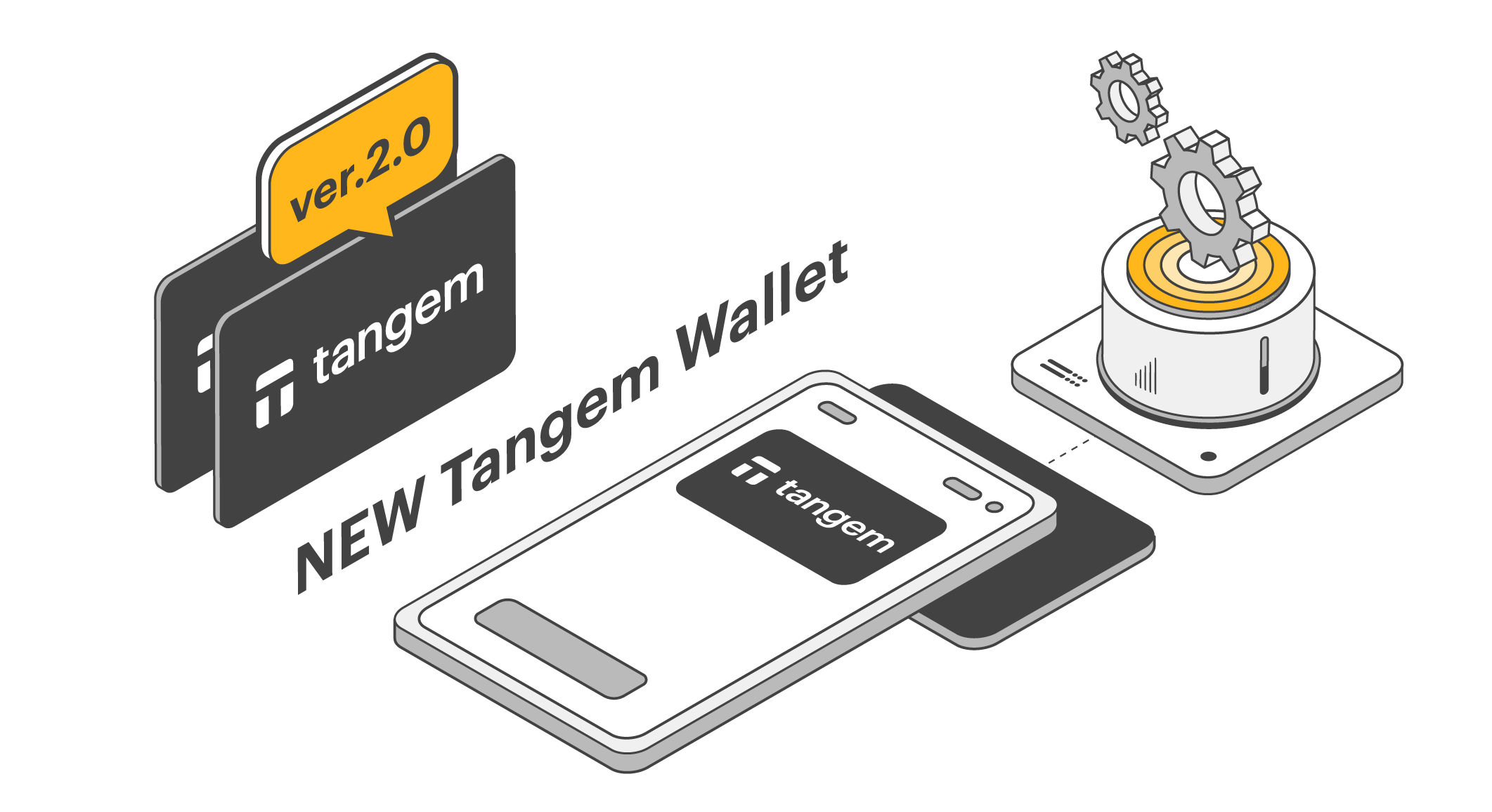
How NFC Cards Work, in Plain Talk
Okay, so check this out—an NFC crypto card holds your private keys in a secure element that never exposes them to another device. The phone sends a signing request over NFC, the card evaluates it internally, and then releases a signature back to the phone. Short transaction, low fuss. On many cards you don’t see or store a human-readable seed; instead, the card itself can be backed up via a recovery card or code that you store separately. On some models the backup is a physical twin, other models require a cloud-less recovery method.
Whoa! That design reduces the attack surface. Unlike software wallets that keep keys in an app that can be phished or leaked, a card limits the places the key ever exists. But it’s not magic—threats shift rather than vanish. Physical theft, loss, and social engineering are real risks, and you should plan for them. On the bright side, for everyday payments and frequent trading, you get a frictionless UX that feels like tapping a transit card.
Here’s what bugs me about the hype: vendors sometimes imply “no recovery needed.” That’s misleading. A lot of card wallets rely on recovery paths that you must understand and secure, or you could lose access permanently. I’m not 100% sure everyone reads those terms at setup—which is why I always advise a conservative approach: treat the card like a vault key, and store the backup key or code in a different physical location.
Why People Love the Tangem-style Card Experience
Friends, if you like minimalism you’ll appreciate cards that just work without cables or batteries. I use a card in parallel with a multisig setup, and the card’s single-tap flow makes daily confirmations painless while preserving hardware-level signing. The tangem wallet approach, for example, blends this simplicity with reasonable recovery options and an ecosystem that supports multiple chains—so it isn’t just a one-trick pony.
On a practical level, a card fits in a wallet. It doesn’t scream “crypto” at the airport line. It doesn’t need to be charged. You can lend it briefly to sign something without giving up full custody if the design supports per-operation confirmation. Those design decisions are a huge win for adoption—especially for people who find seed phrases obtuse and intimidating.
That said, don’t treat it like a panacea. If you carry large sums and your security model demands absolute redundance beyond a single device, then combine the card with a backup that you control offline. For businesses, consider pairing cards with multisig policies that require multiple independent signers—cards make one of those signers easy and cheap to run.
Practical Tips From Someone Who’s Carried One for Months
My takeaways are simple. First, practice your recovery plan once, like a drill, so it’s not a mystery when the card goes missing. Second, keep the backup physically separate—home safe vs. bank deposit box is a valid split depending on value. Third, update firmware carefully and verify vendor guidance, because a secure element is only as secure as the update channel it uses.
Also: don’t fall for convenience traps. Using a card to store small-day trading funds is fine. Putting your life savings on a single card without a rock-solid recovery plan is a mistake. On the bright side, the UI is so clean many older relatives could actually use it without a tech support call—if you set it up right. That felt like a small victory when my mom approved a transfer for charity the other week…
FAQ
Is an NFC crypto card as secure as a hardware wallet dongle?
Short answer: often yes, in technical terms. Long answer: it depends on the card’s secure element, manufacturing, supply chain protections, and your personal operational security. Cards reduce attack surfaces in some areas but introduce physical-loss concerns in others.
What happens if I lose my card?
If you’ve configured a recovery method correctly you can restore funds to a new device; otherwise, loss can be permanent. So test your recovery process, and keep at least one offline, tamper-resistant backup of the recovery material. Seriously, test it once—then lock it away.
Who should use an NFC card wallet?
Good fit: people who want a low-friction, tactile signing experience and who value a hardware-isolated key but dislike dongles. Less ideal: users who require complex multisig setups exclusively without additional safeguards or those unwilling to manage an offline backup.
I could go on—there’s always more nuance with custody and threat models. On one hand, cards lower the barrier to secure key custody; on the other hand, they demand honest planning about loss and backups. I’m curious what you’ll try. If you pick one up, test the flow in a low-stakes scenario first, and don’t be shy about asking questions in communities—trust but verify, as ever…
